“The food you eat can be either the safest and most powerful form of medicine or the slowest form of poison.” – Ann Wigmore
My raw food journey began over 15 years ago when I worked at a no kill animal shelter that had the ability to feed a raw diet to their dogs. It made so much sense to me and when we saw the difference it made for our family dog, I was blissfully inspired. I studied constantly and learned from anyone in the field who would teach me. I became obsessed, and it never really faded.
On top of my pack being fed a raw diet, all Lakit puppies are also weaned and raised on raw. I am grateful to have many families stick with a balanced raw, or partially raw, diet. That being said, I understand this is not always feasible for everyone – so please be honest with what you can and can’t do and know that I am here to help and support you. Food is such a powerful tool that we can use to help fuel our dog’s body for as long as we possibly can, and I am excited to share with you some things that have been such a staple for my dogs throughout their lives.
Remember:
some raw and fresh food additions are better than none ❤️
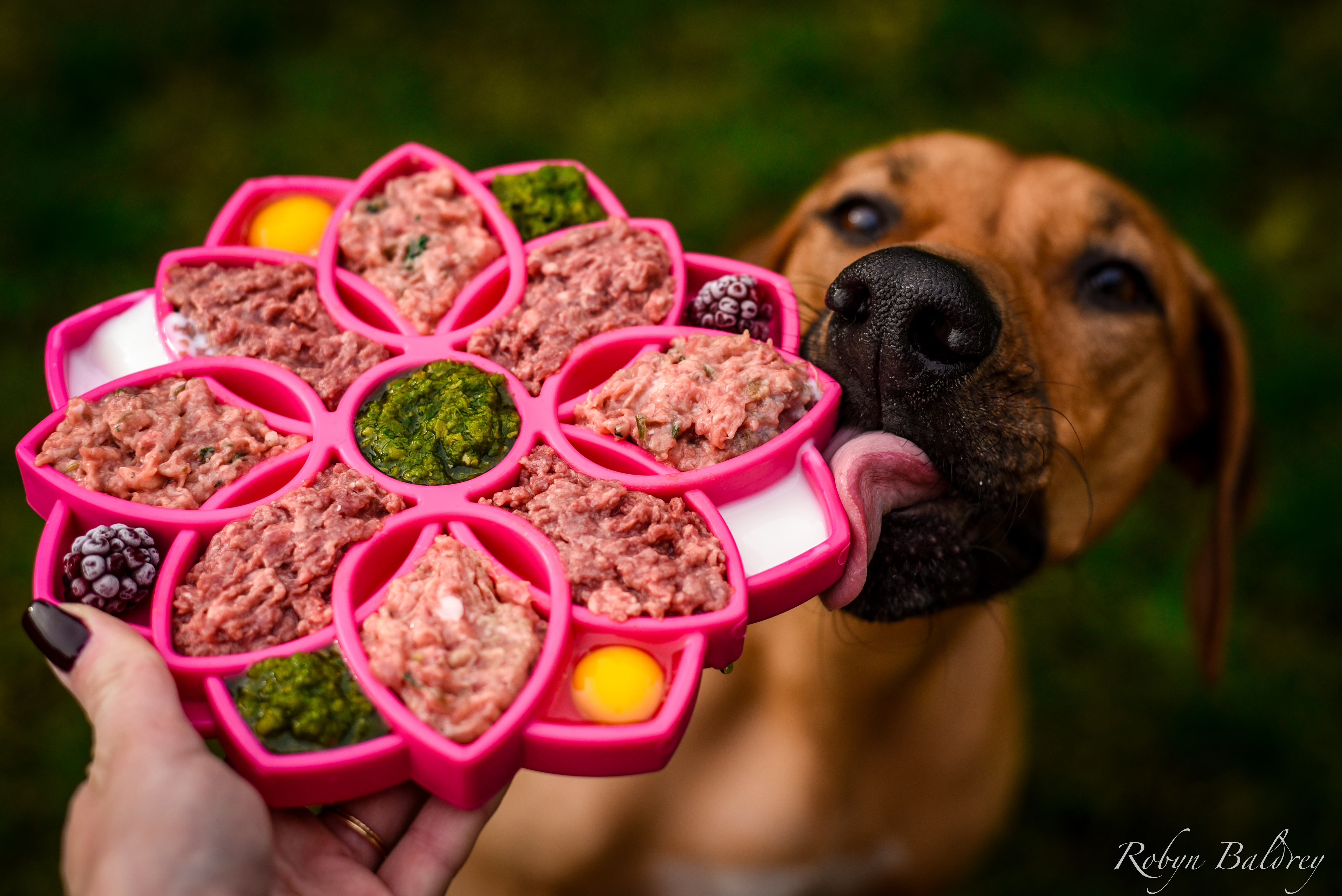
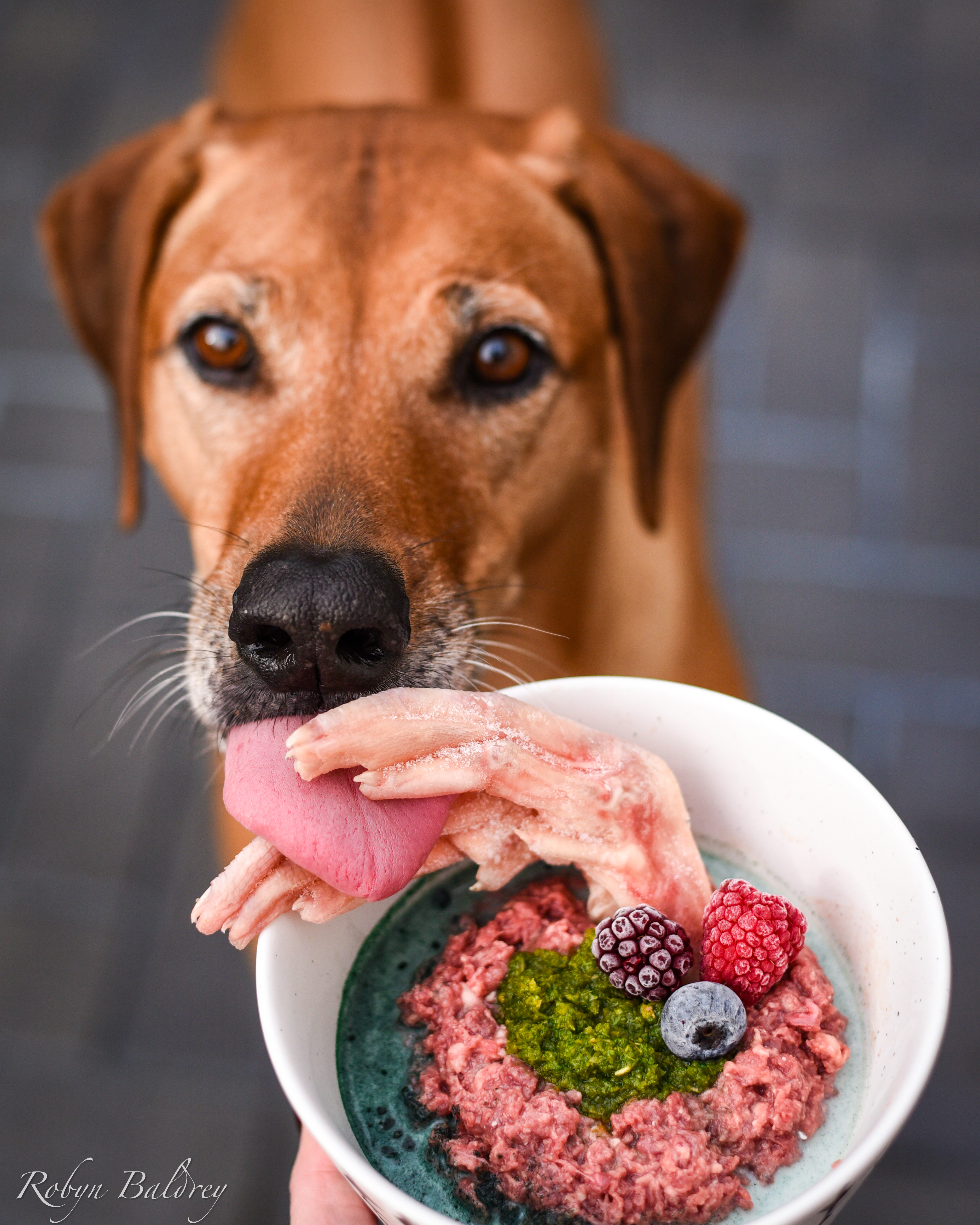
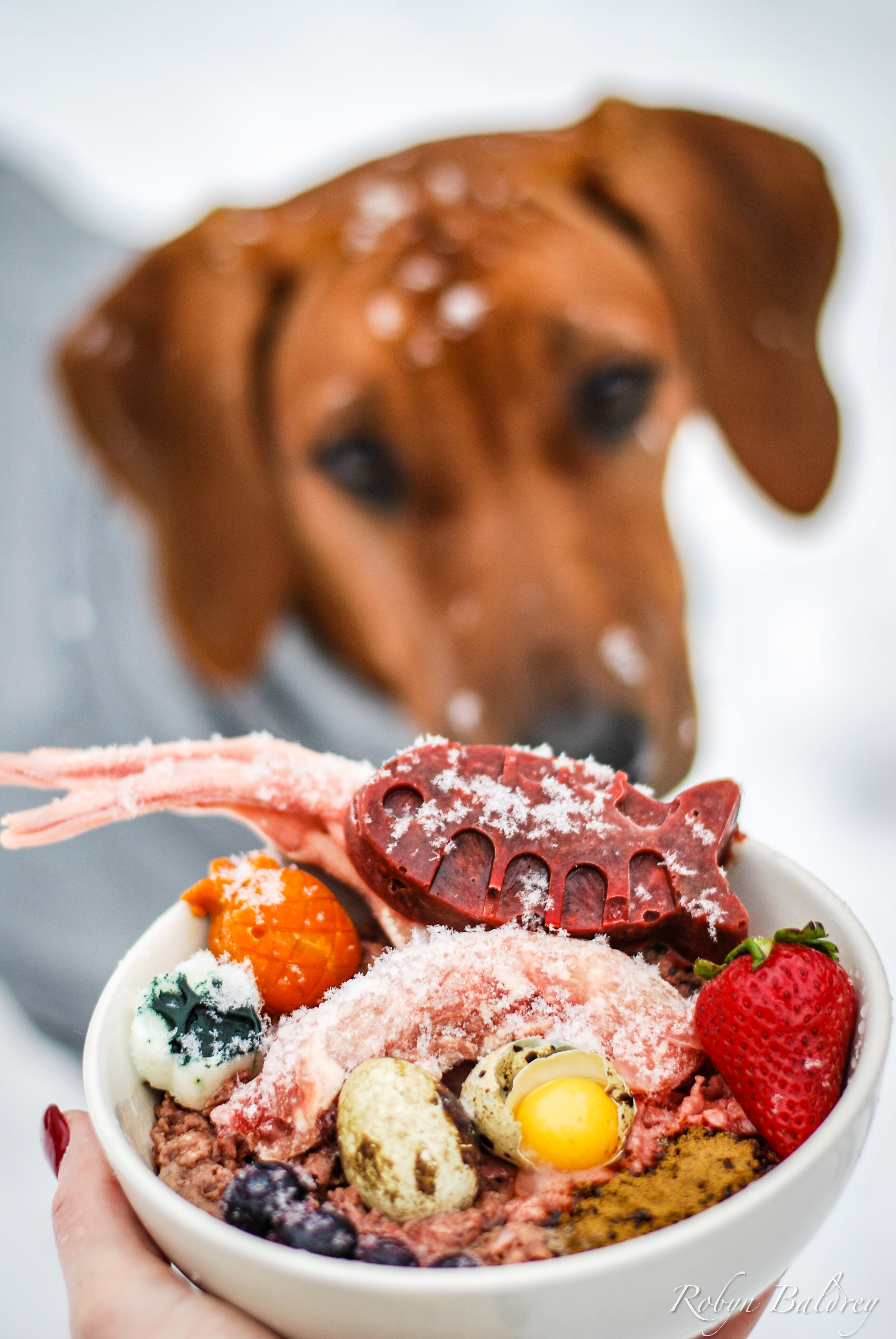
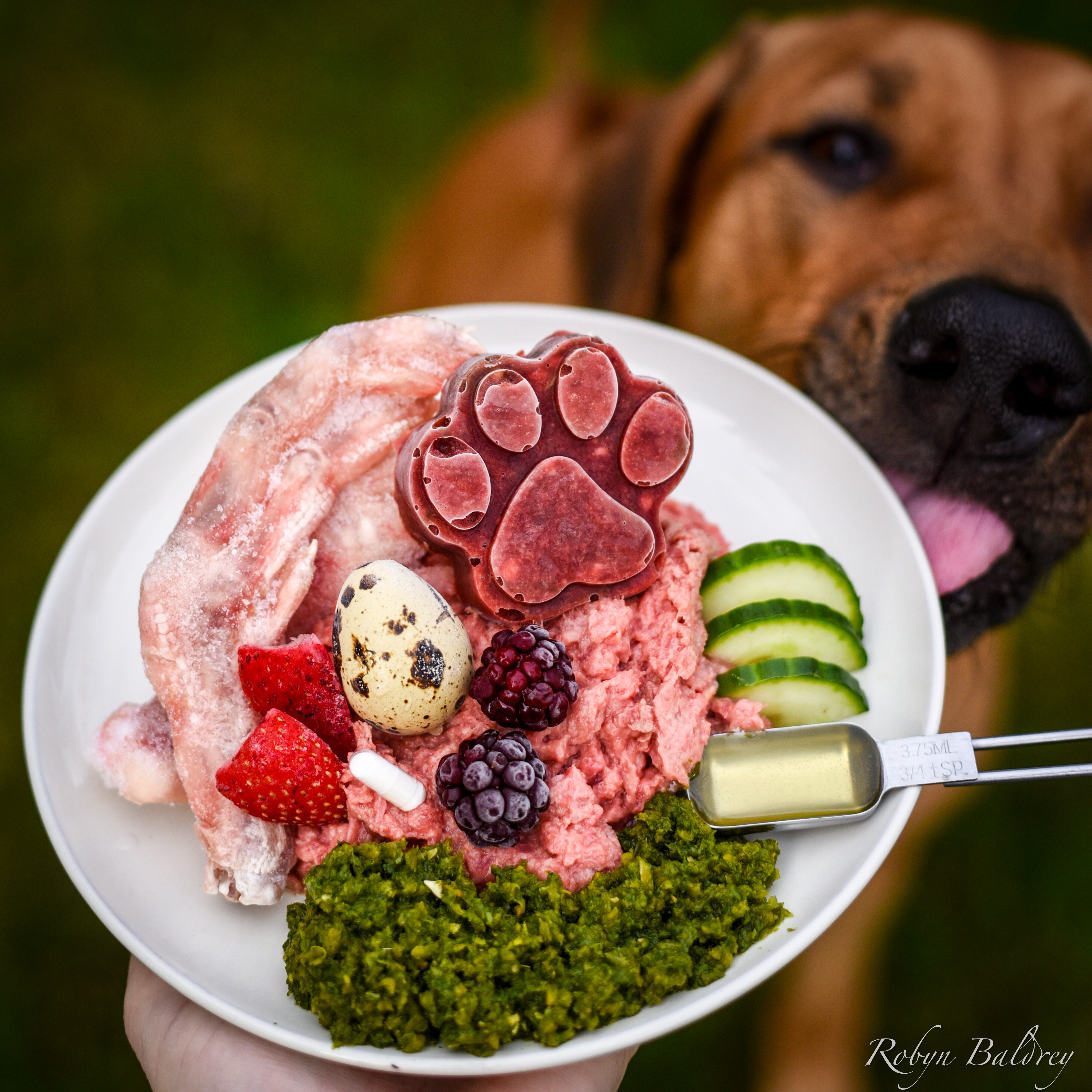

Please note: this page is intended to be used by friends and families who have a Lakit puppy in their home.
It is not meant to go against or replace any medical advice from your DVM. Ensure careful handling and storage of all raw food items. Clean all bowls and utensils after every use. If you require a nutritional consult for your dog, please contact a canine nutritionist in your area. At this time, I am solely providing support and consultations for Lakit Rhodesian Ridgebacks.
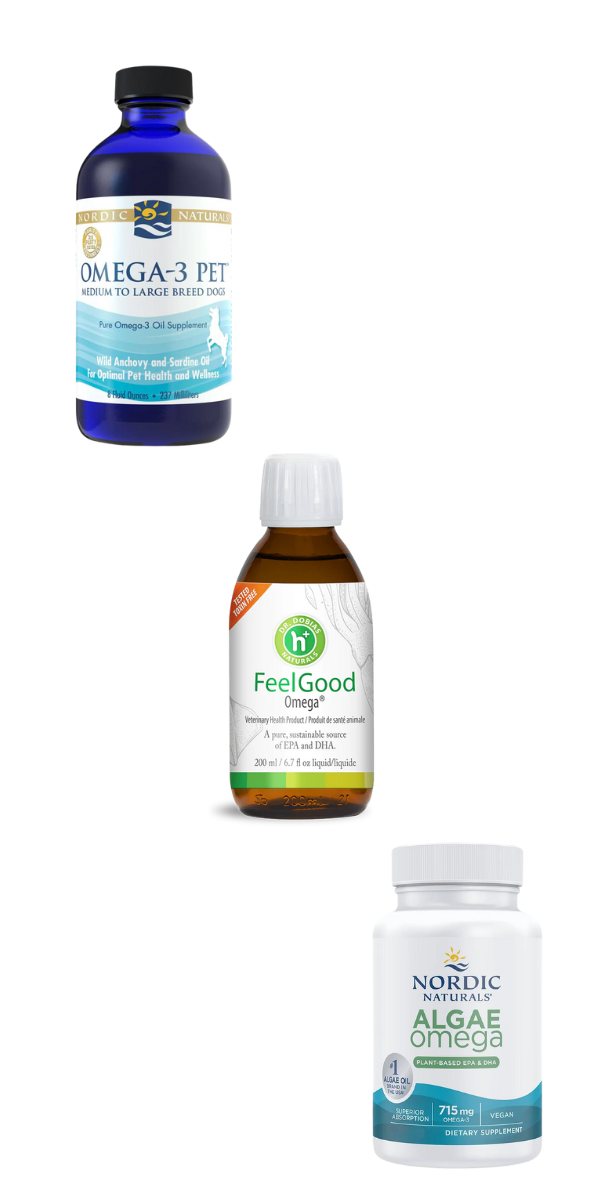
Omega 3’s
Essential Fatty Acids (EFAs) are undoubtedly the most important supplement you should be giving your dog. Whether you feed a raw, processed (kibble) or home cooked diet, you should be adding omega-3’s to your dogs food.
Some important things to consider when choosing an omega for you dog:
– Oils should be stored in the fridge, in a dark glass bottle, to prevent oxidization
– They should be quality tested for toxins and heavy metals
– Most oils and capsules should be used within 90 days of opening
PS: for oils – make sure to shake the bottle before feeding!
These three are my favourite brands to rotate through:
Nordic Naturals Omega 3 Pet
FeelGood Omega by Dr. Peter Dobias
Nordic Naturals Algae Omega
A few other alternatives for more variety:
Four Leaf Rover Safe-Sea
Adored Beast Potent-Sea Omega-3
*Variety is the SPICE of life. It is very important to rotate through a variety of oils so your dog benefits from a variety of sources. Nordic Naturals is my staple, but I make sure to rotate through other brands and sources every couple of months.
My thoughts on flax, hemp or other plant based oils:
Plant oils contain Alpha-Linolenic Acid (ALA) and/or Linolenic Acid (LA), which dogs cannot efficiently convert to Eicosapentaenoic Acid (EPA) and Docosahexaenoic Acid (DHA). EPA and DHA are both essential for all stages of your dogs life, but especially so for growing puppies and seniors.
If you do choose to add a small amount of plant based oils to your dog’s diet, please keep in mind that hemp oil should only be fed when you are feeding a diet high in lean, grass-fed/finished ruminant meats (beef, deer, goat, lamb) or in a meal excluding poultry*. While you can feed flaxseed oil very sparingly in a meal that is rich in poultry, I do not recommend this to be an oil you regularly reach for. We have so many other great sources of EFA’s!
Here is the brand of hemp oil I recommend, if you choose to add it into your dogs diet: Organic, Cold Pressed, Hemp Seed Oil
*Note: Hemp oil should never be added to poultry based diets as both are heavy in LA and polyunsaturated fats
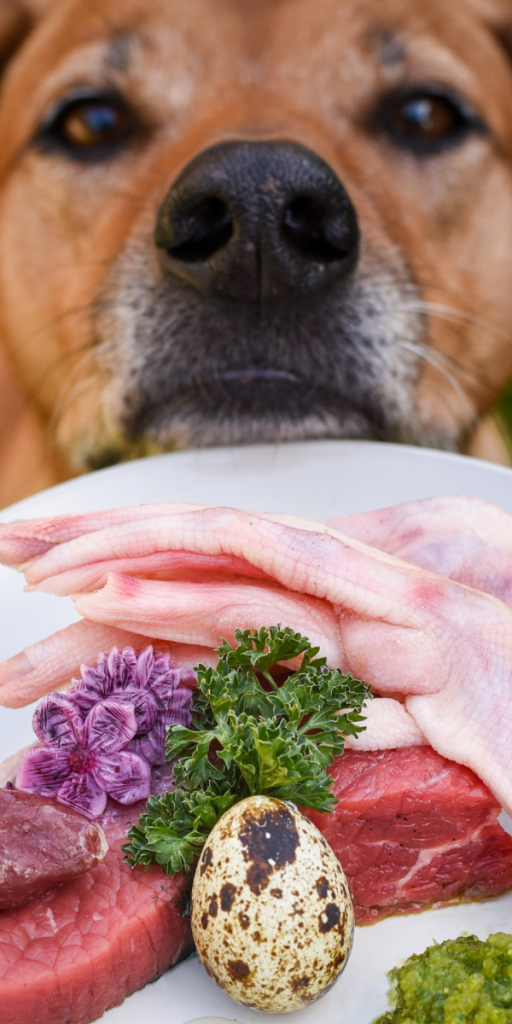
Variety of Proteins
It is important to feed a variety to your dog – whether you are feeding raw or kibble, you should be feeding variety of brands and proteins.
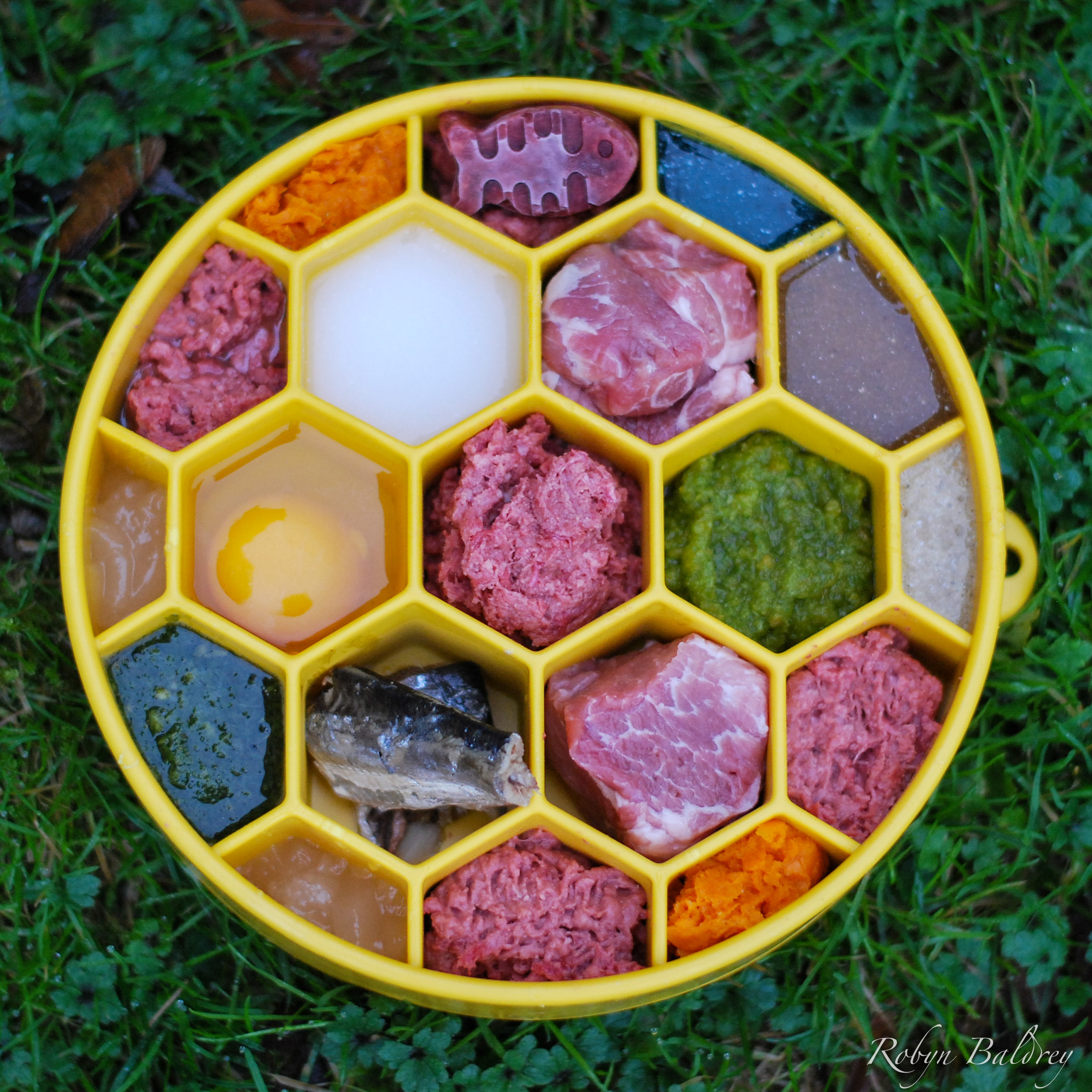
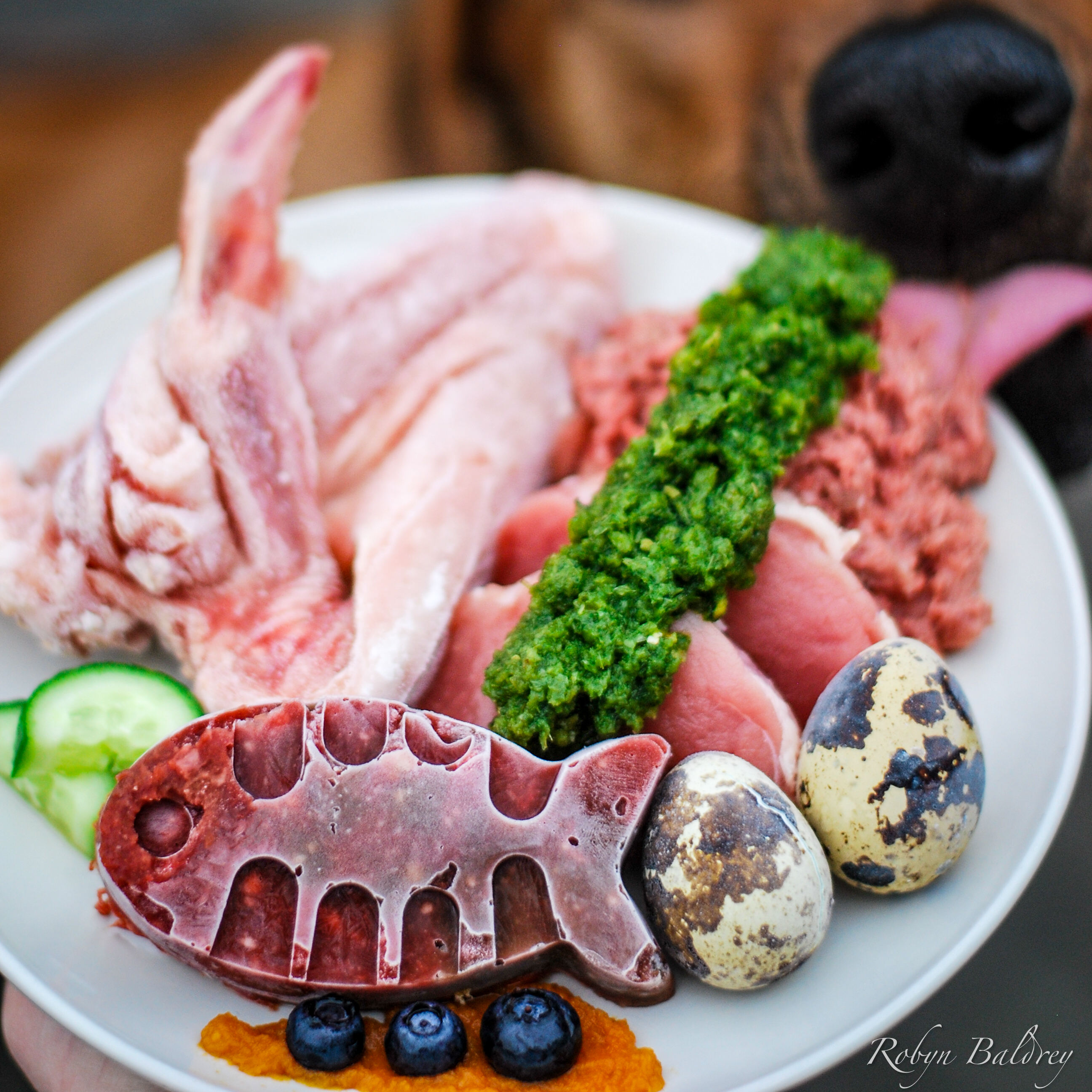
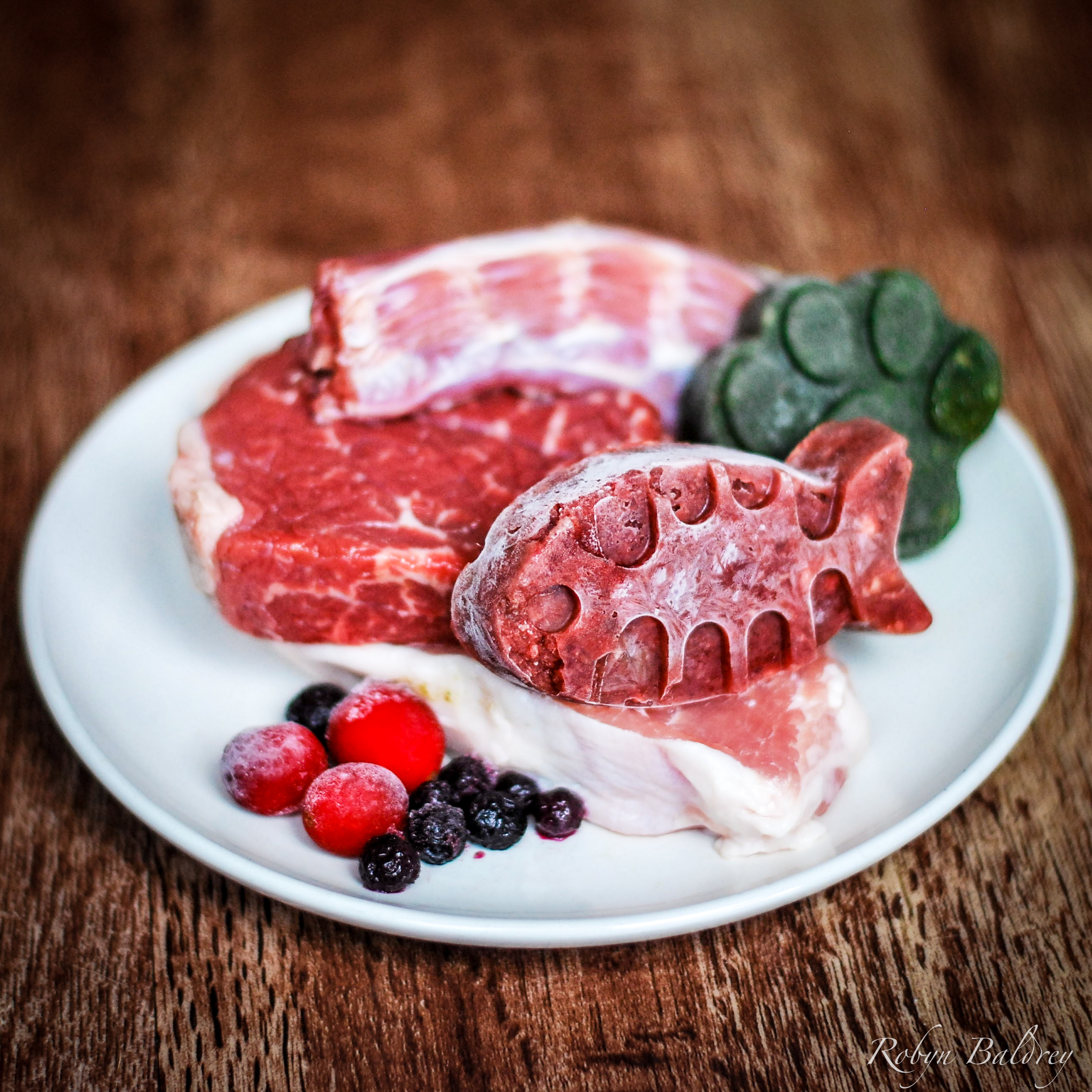
When you are feeding a raw diet, it is vital to feed at least five proteins for it to be considered balanced (along with other key aspect to the diet, of course). My dogs get nine to ten proteins on average; I usually do a “month A/B” rotation so they also get a break from certain proteins. Both red and white meats should be included in your dog’s diet. Your Lakit puppies will be given most of these before they leave at 8-9 weeks 😊
Red meats include:
Beef, kangaroo, goat, pork, lamb, venison
White meats include:
Chicken, duck, turkey, quail
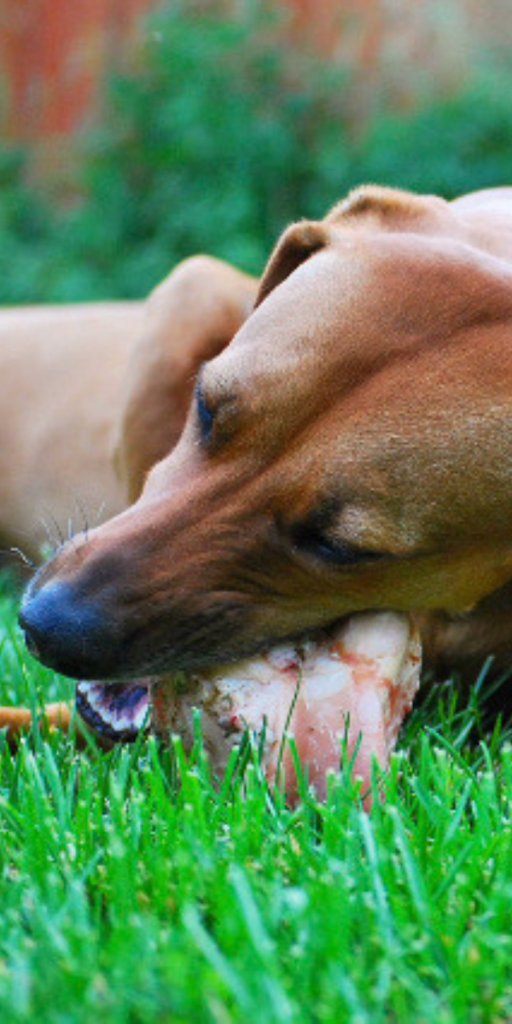
Bones
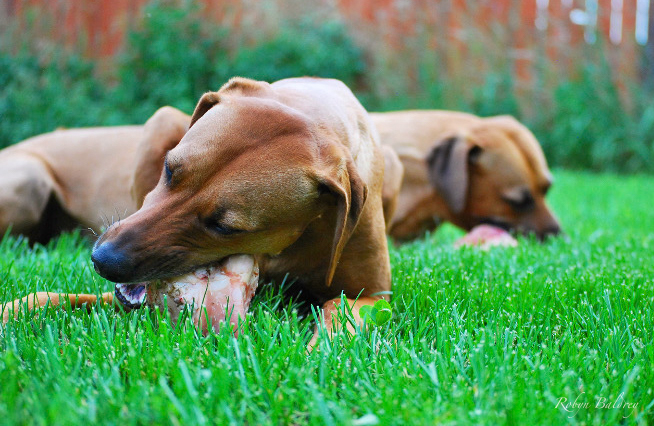
Not only great for teeth, jaw and gum health but also important for mental enrichment and teething puppies!
Edible bones:
– Duck or chicken feet
– Chicken necks
– Duck wings
– Whole quail
– Chicken backs
– Pork tails
Recreational bones:
– Beef or buffalo knuckles
– Beef patellas
As many of you are hopping on here in anticipation of a puppy, or referencing back to this as a guide, I want to reiterate how critical it is to feed large breed puppies with care as calcium and phosphorus (among others!) must be carefully monitored and balanced. I will not dive into ratios on this page, but please reach out to me if you have any questions (no question is too small ❤️). There is also a list of brands of food, DIY break downs, supplements and more in your Lakit puppy books.
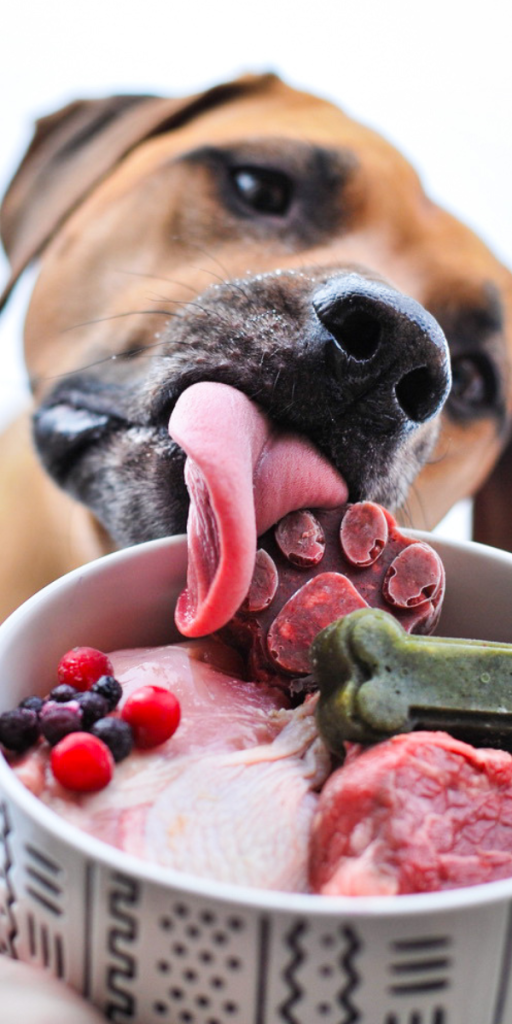
Organs
A key component of a raw diet. Muscular and secreting organs both provide essential vitamins and minerals that are important for healthy development and nutritional balance.
– Heart
– Liver
– Kidney
– Lung
– Spleen
Vegetables
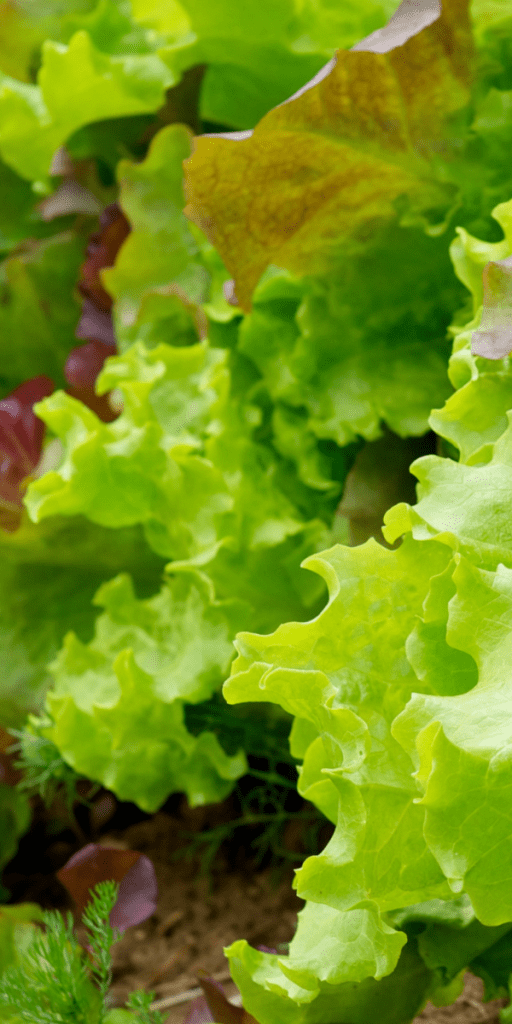
If you have the time to make a veggie blend for your dogs, it should consist of a variety of veggies – 50% of that being a blend of leafy greens. The remainder should be a variety of different veggies used in rotation. Any root or starchy vegetables should be steamed, baked or lightly boiled.
If you don’t have the time to make your own – brands like Natural Instincts, RDBK, 3P Naturals and GreenJuju make a variety of veggie blends you can rotate through. Veggies provide so much great nutrition and are a must for every diet 😊
Leafy Greens (50% or more):
– Red or Green leaf lettuce
– Romaine lettuce
– Beet tops
– Carrot tops
– Bok choy
– Swiss chard
– Microgreens
– Dandelion greens
– Parsley
– Spinach (<5%)
– Steamed kale (<5%)
– Cabbage (<5%)
Starchy Vegetables (all of these must be fully steamed/cooked before feeding. Limit to 15% of total veggie content):
– Pumpkin
– Butternut squash
– Acorn squash
– Beets
– Yams
– Sweet potato
– Turnip
Other:
– Celery
– Zucchini
– Cucumber
– Green beans
– Broccoli (steam/cooked)
– Cauliflower (steam/cooked)
– Carrots
*All veggies should be pureed prior to feeding to maximize nutrient absorption
**Variety is the SPICE of life. It is very important to rotate through a variety of veggies and if you have a green thumb, try growing some greens yourself in summer!
Fruit
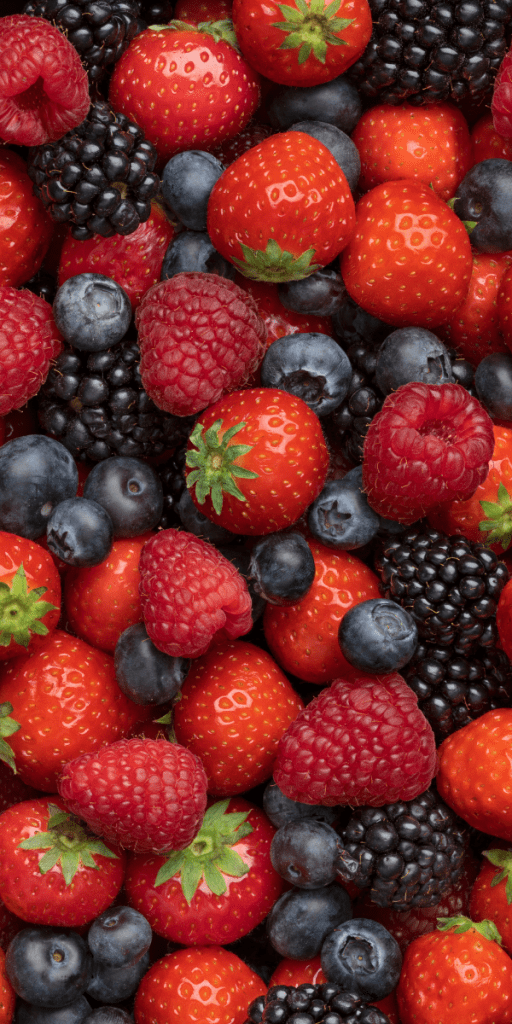
Each summer I thoroughly enjoy heading out to pick a variety of berries for my pack. I wash them, space them out on baking sheets and chuck them in the freezer. Once frozen, I put them into jars or bags and they last all year! If you don’t have the time, picking up berries at your local grocery store is great too ❤️ They pack such a valuable punch for you dog, filled with an abundance of antioxidants!
Some of my favourites:
– Blueberries
– Blackberries
– Strawberries
– Raspberries
– Oranges
– Cranberries
– Watermelon (no seeds)
– Peaches (do not feed pit)
– Bananas (green is best)
*Because fruit is naturally high in sugar, they should not exceed 5% of your dogs diet.
Medicinal Mushrooms
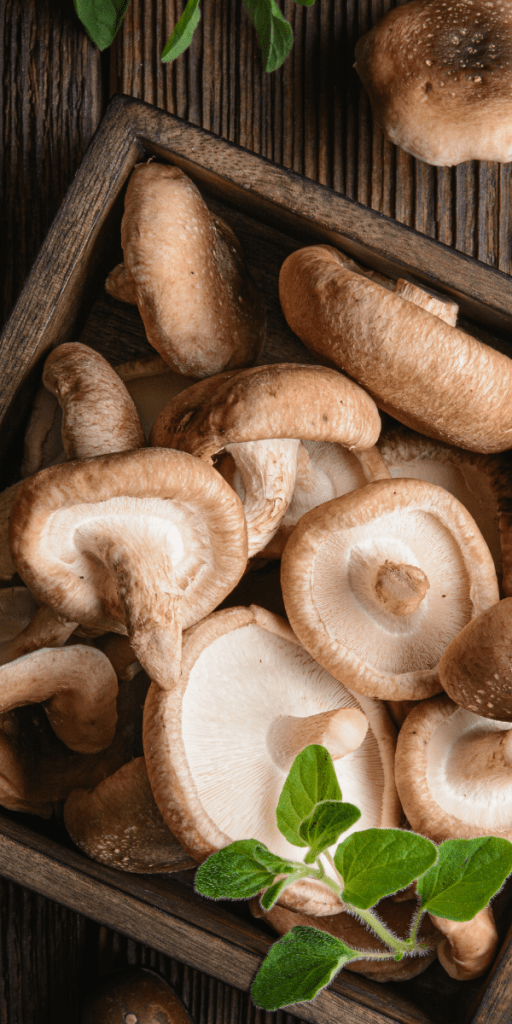
The power of mushrooms ❤️ They are good for such a variety of things but most well known for their immune boosting and anti-cancer properties. I like to use blends in my younger dogs when their immune system might need a boost, and will add it a few times a week to my adult dogs diet. When they hit 6 or 7 years old, I like to give them a mushroom blend daily, and will do a “turkey tail only” month as well.
Some of my favourite brands:
Real Mushrooms
Nootropics Depot
Purica
North Hound Life
*Medicinal mushrooms must be hot water extracted, and sometimes dual (or triple) extracted, depending on the mushroom in order to obtain their full benefits. Powders or alcohol-free tinctures are both great options. At this time, I personally continue to use powder extracts as I have had so much success with them.

Joint Support
If you are looking to add joint support to your younger dog’s regime, the best thing you can feed is bone broth!
How to make bone broth:
1. Collect a variety of bones – some marrow is fine, but most importantly add bones that have connective tissues (chicken and duck feet, duck wings, duck neck, chicken back).
2. Place them into a stock pot and fill with water until the bones are covered.
3. Add a splash of apple cider vinegar (optional).
4. Add in any extras (a clove or garlic, handful of parsley, fresh shiitake mushrooms).
5. Simmer for 24 hours, drain and refrigerate.
6. Once cooled, scoop off the top layer of fat and you should be left with a gelatinous broth.
7. Portion into containers that will be used within a few days at a time, or divide into ice cube trays/molds for easy portioning.
Further Joint Support:
For dogs under the age of five or six years old, I don’t do much more than bone broth and green lipped mussel powder here and there. You can add in a basic MSM and Glucosamine supplement after two years if you like, but I personally don’t find it necessary. Omega 3’s, bone broth and a clean diet do wonders! Once my dogs hit six years or so, I like to start giving GlycoFlex2 and by eight or nine years old I move them up to GlycoFlex3. If you ever find you need something “more”, you can increase their dose, add in additional green lipped mussels and increase (double) their omega 3 dose.
…and more additions!
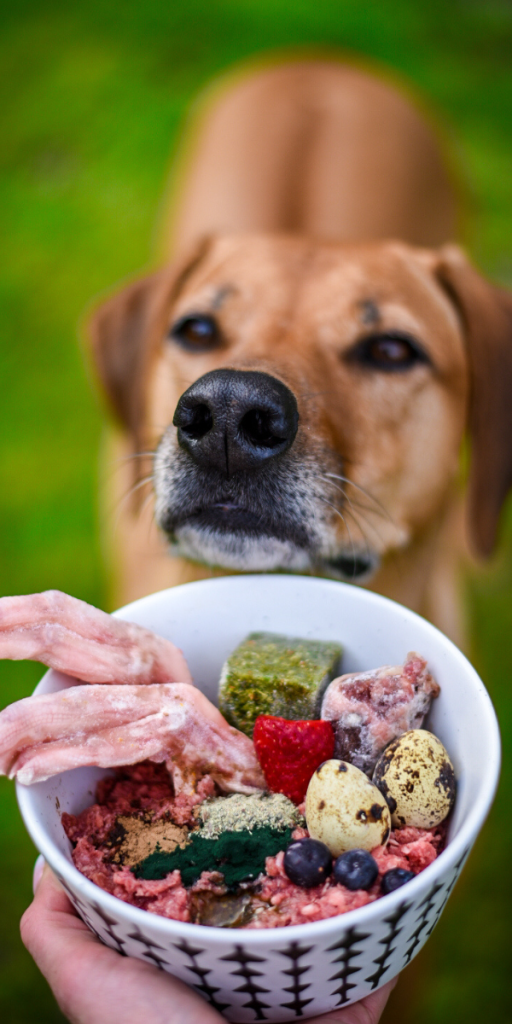
- Eggs: chicken, duck or quail
- Raw Goats Milk
- Probiotics – GutSense or Love Bugs
- Vitamin C (especially for young puppies)
- Phytoplankton
- Hokamix
- Spirulina
- Plain yogurt
- Green lipped mussel powder
- Kefir

Travelling with Raw Food
Yes, it is absolutely possible. I pack my cooler (I have a Yeti and an Arctic Freeze Titan, both which I love) with frozen raw and head on my way. The only time I find I need an alternative is when we are backpacking, in which case I use a freeze dried or dehydrated food. I pre-portion their meals, add warm water, let it soak for ~10 minutes and then feed. I find my dogs don’t have any digestive issues switching from their regular raw diets to the brands below.
– Sojos Beef or Lamb
– Open Farm Freeze Dried Morsels (any)
– K9 Naturals Freeze Dried
Please note – none of the brands mentioned on this page are affiliated or linked to myself or Lakit. All of these products are ones that I have had success with, can trust and confidently recommend.
 lakitrhodesianridgebacks.com